
What to Look for When Viewing a London Home: Expert Tips from a Chartered Surveyor
Let’s be honest. House viewings can feel a bit like speed-dating with bricks and mortar. You are deciding whether this place could be your future while pretending not to notice that the bathroom door does not quite close. Before you get swept up by fairy lights, fresh paint and strategically placed plants, it helps to know what hidden gremlins might be lurking behind the scenes.
Here is your no-nonsense guide to the most common property defects in London. What to look for, why they matter and what to do if you spot them.
1. Damp and Mould: London’s Notorious Uninvited Guests
London’s climate combined with older buildings and less than ideal ventilation makes damp extremely common. Think of it as the city’s least charming tradition.
Where it likes to hide:
Victorian and Edwardian terraces with solid walls
Basement flats that double as moisture magnets
Properties with tired roofs or blocked gutters
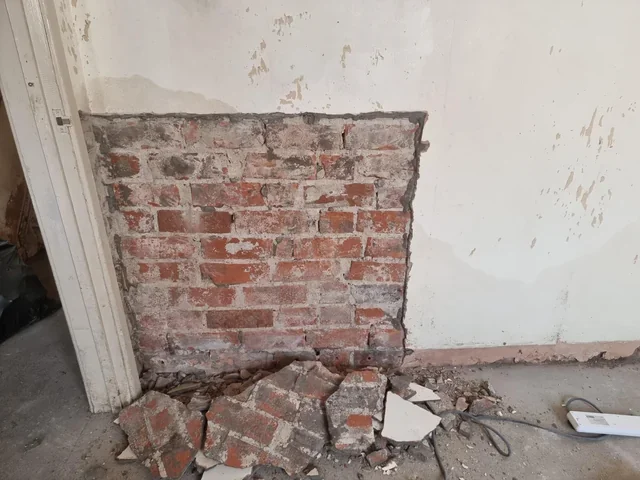
Clues to watch for:
Black mould around windows or bathrooms
Musty smells
Bubbling plaster or peeling wallpaper
Condensation thick enough to write your name in
Why you should care:
Damp damages plaster, timber and decorations. It can even affect your health. Fixing ventilation might be inexpensive. Fixing structural damp might require a small ceremony in which you hand your savings over to a contractor.
2. Roof Damage: The Upstairs You Cannot Ignore
A roof in decline starts small and becomes dramatic very quickly. Think missing tiles, sagging lines or that one suspicious stain on the top-floor ceiling.
What to look for:
Cracked or missing tiles
A roofline that looks slightly too artistic
Stains or damp patches upstairs
Chimney stacks that seem to be crumbling into retirement
Minor repairs are manageable. Major issues can become expensive water features inside your home.
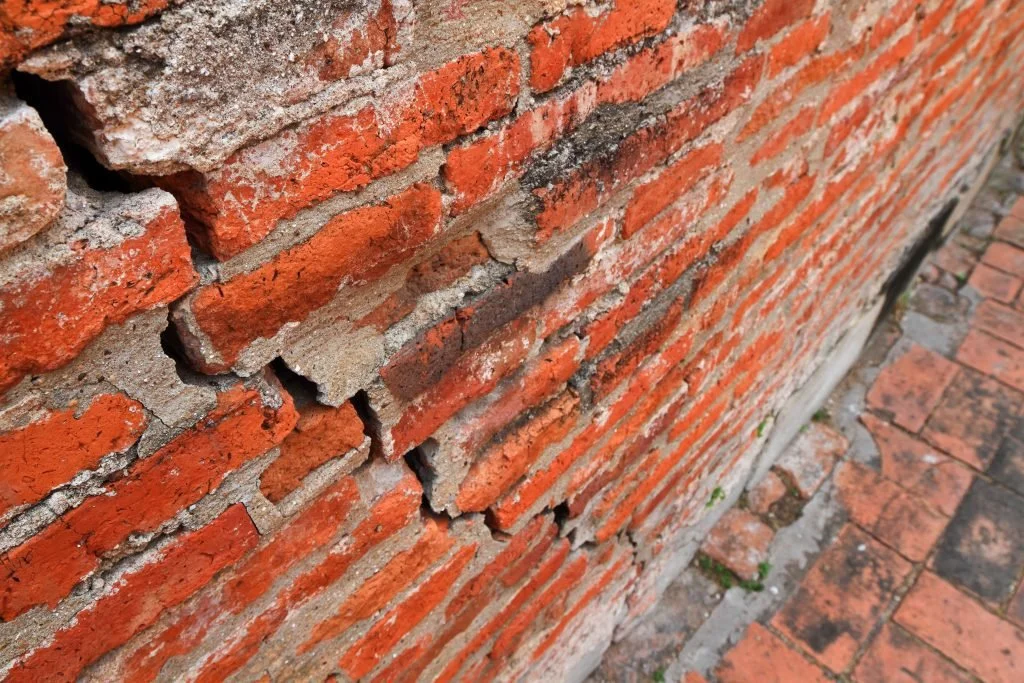
3. Structural Movement: Not All Cracks Are “Character”
London sits on clay soil that shrinks when dry and swells when wet. This means many houses spend their lives shifting slightly and occasionally groaning about it.
Red flags:
Cracks wider than a pound coin
Cracks near windows or door frames
Sloping floors
Doors or windows that jam or swing like a haunted mansion
Hairline cracks can be cosmetic. Long diagonal ones deserve attention from someone with a clipboard.
4. Outdated Electrics and Plumbing: Retro Is Not Always Best
Original wiring in a period home might look charming until the lights flicker every time you plug in a kettle.
Warning signs:
Old fuse boxes without proper RCD protection
Flickering lights
Warm or discoloured sockets
Pipes making noises like they have opinions
Rewiring is not glamorous but it is far cheaper than dealing with electrical failures later.
5. Poor Insulation: The Drafts That Bite
If the house feels chilly even in mild weather, you might be dealing with outdated insulation. Expect higher heating bills and colder winters unless improvements are made.
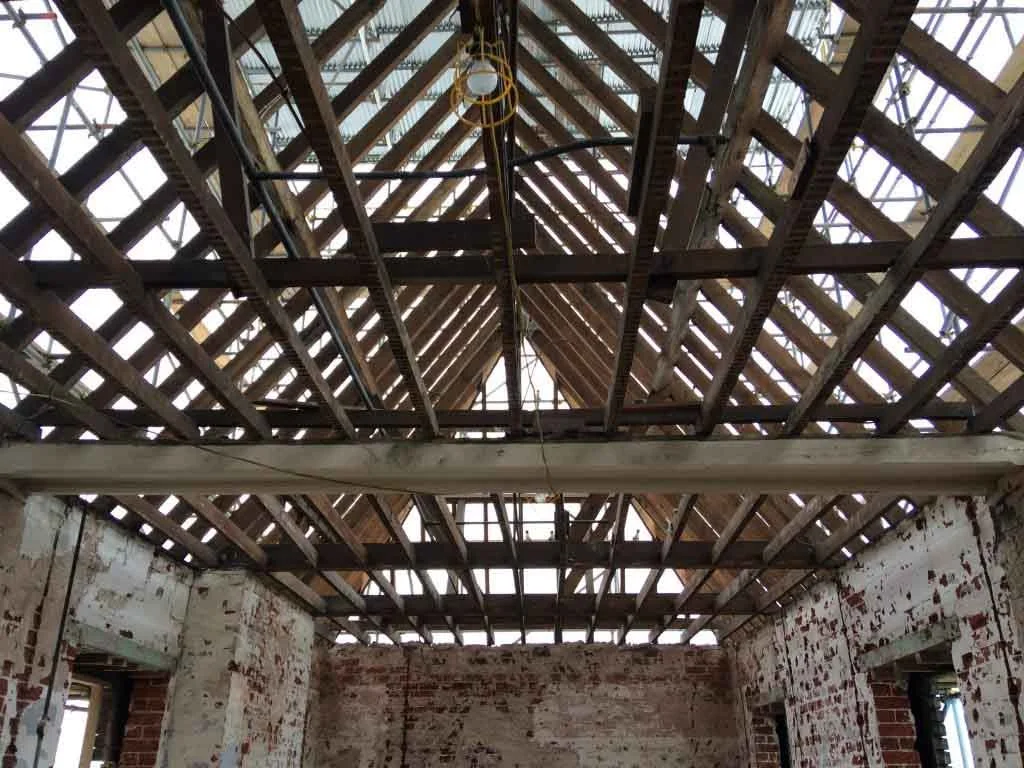
6. Timber Decay and Woodworm: A Tiny Pest With Big Energy
Timber in damp or unventilated areas can rot over time. Woodworm might be small but it is persistent.
What to watch for:
Soft timbers
Tiny holes in beams or frames
Sash windows that look like they are slowly disintegrating
A surveyor can confirm whether it is historic or active.
7. Asbestos: Serious Business in Older Homes
Asbestos was widely used until the 1980s and can appear in ceilings, insulation, floor tiles or pipe lagging. It is a known carcinogen. A building survey will note anything suspicious but you need a specialist asbestos survey to confirm.
8. Window Decay: The Sash Window Blues
Sash windows are elegant but vulnerable to rot, swelling and draughts if not maintained. Beautiful yes. Waterproof and airtight no. Unless the owners have cared for them.
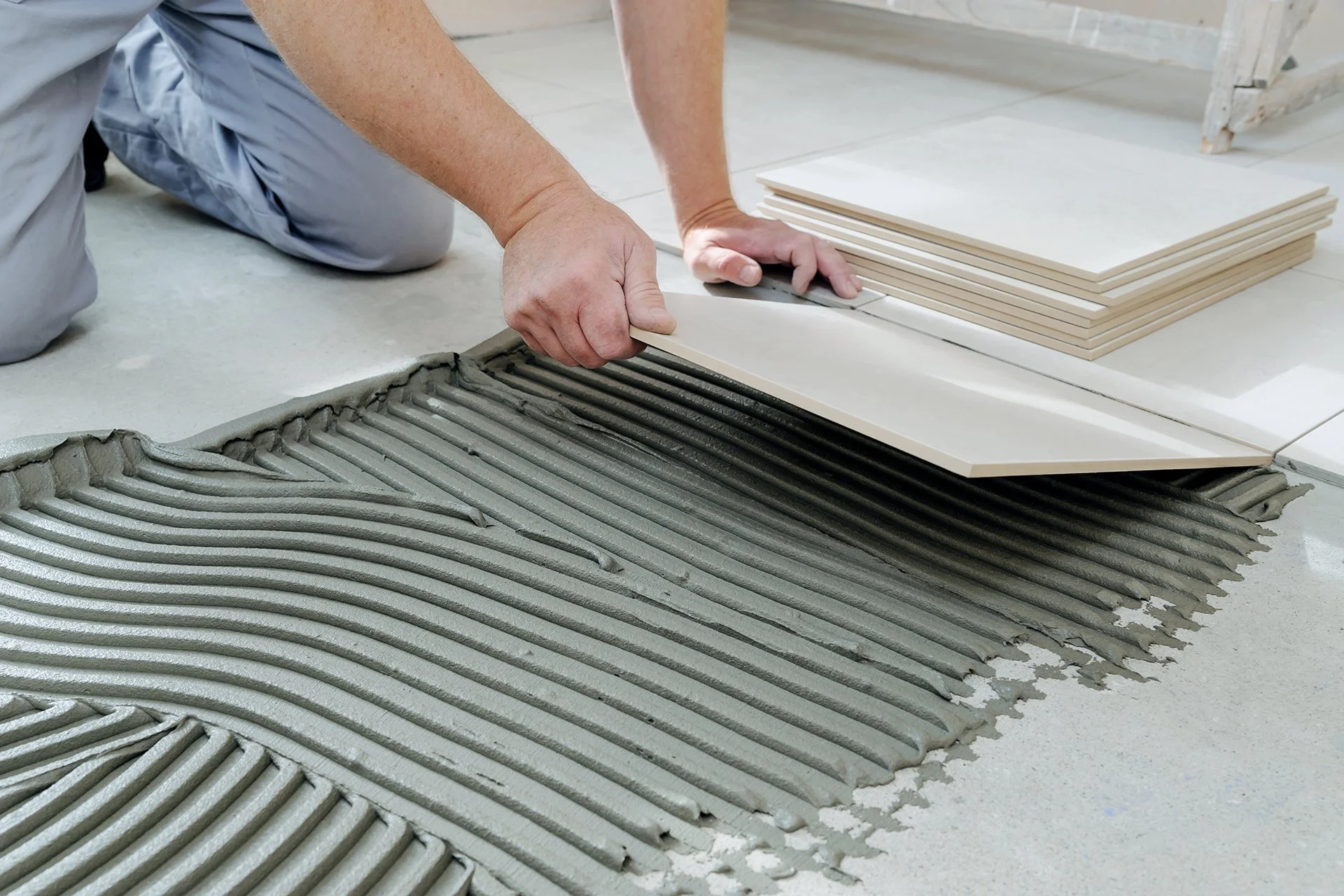
9. DIY Disasters: When Alterations Go Rogue
London homes are often extended or tweaked. Not all renovations are approved or well executed.
Common problems include:
Extensions without building control sign-off
Loft conversions done on trust and optimism
Poor quality workmanship
Flat roofs built with materials nearing the end of their life
Always ask for paperwork. Always.
10. Leasehold and Legal Surprises
If you are buying a leasehold, check the details carefully.
Look out for:
Remaining lease length
Ground rent increases
Service charge hikes
Restrictions that could make future plans awkward
A short lease can become a very expensive problem later, so do not gloss over this part.
Final Thought: A Building Survey Is Essential
You would not buy a car without checking the engine. You should not buy a house without understanding its condition and ensuring there won’t be any surprises. A survey is your best defence against unexpected repairs, unwelcome surprises and the kind of anxiety that comes with finding a hidden damp patch two weeks after moving in.
If you want a survey that is clear, friendly and genuinely helpful, we are ready when you are.