
What signs of damp should you be worried about?
Damp is one of the most common issues raised by our clients and something we see almost every day across London homes. The difficulty is that damp is not a single problem. Different types have different causes and recognising which one you are dealing with helps you take the right first steps and know when it is time to involve a professional.
Below, we outline the three main types of damp, the signs to watch out for and what you can do before calling a surveyor.
Condensation Damp
What it is
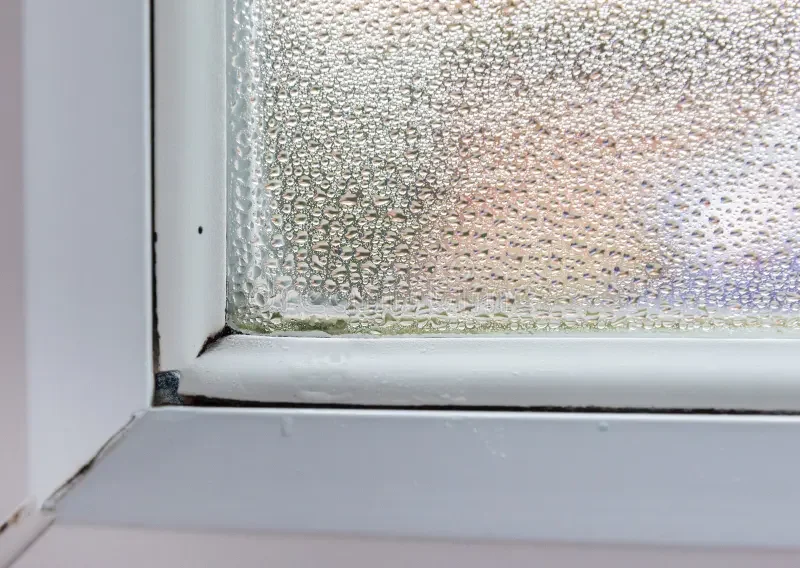
Condensation is the most frequent damp issue in UK homes. It forms when moisture in warm air settles on cold walls or windows. Everyday activities like showering, cooking, drying laundry and even breathing all contribute to indoor humidity.
Common signs include water droplets on windows, misted glass, small black mould spots and lingering musty smells.
What you can do
Ventilation is essential, particularly in Victorian or older homes that were constructed to be naturally ventilated. Opening windows daily is a simple but effective step. You can also use extractor fans during and after cooking or showering, maintain consistent background heating and consider a dehumidifier if moisture levels remain high. Avoid drying laundry indoors where possible and clean any mould with an appropriate treatment before monitoring the area.
When to call a surveyor
If the condensation keeps returning or seems excessive despite good ventilation, there may be another damp issue developing within the property. This is the point at which a surveyor should assess it.
Rising Damp
What it is
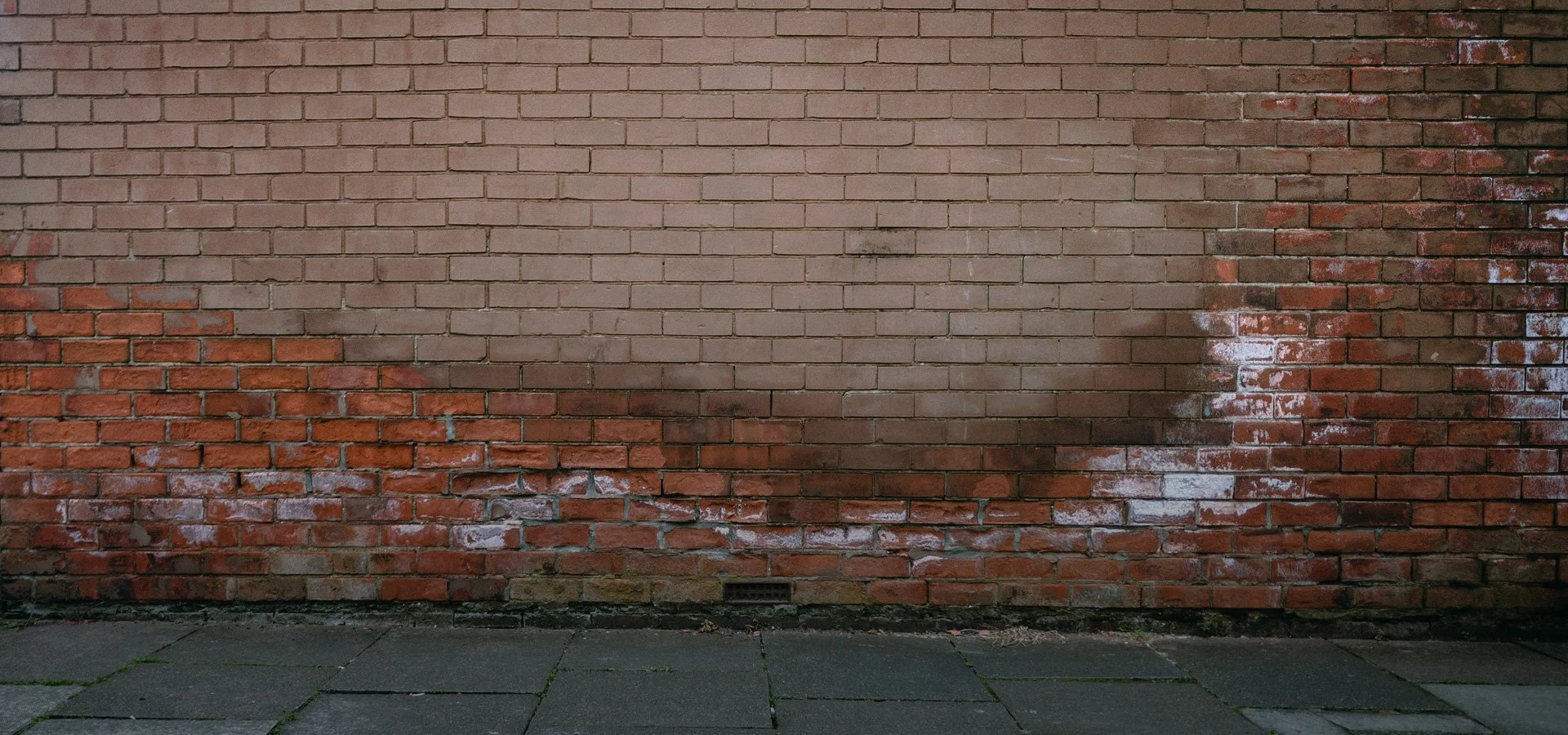
Rising damp occurs when moisture from the ground moves up through walls or floors because the damp proof course has failed or is missing. It is usually limited to the ground floor of a property.
Typical signs include tide marks on walls, damaged plaster, salt deposits and rotting skirting boards.
What you can do
You cannot treat rising damp yourself, but you can pay attention to helpful details that support diagnosis. These include noticing high external ground levels, blocked air bricks or whether symptoms worsen after heavy rain.
When to call a surveyor
A surveyor should always assess suspected rising damp. It is easy to misdiagnose and some issues can mimic rising damp, so a professional inspection prevents unnecessary or ineffective work.
Penetrating Damp
What it is
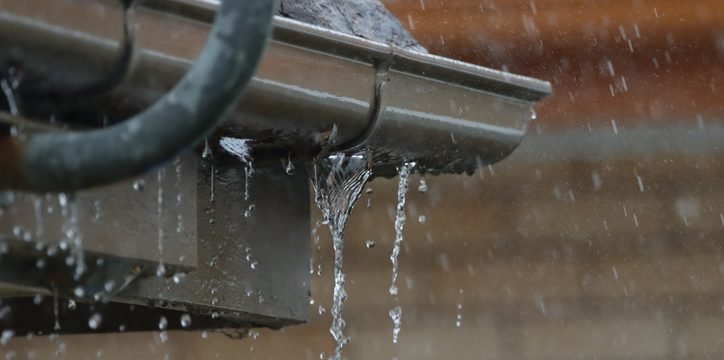
Penetrating damp occurs when water enters the building through defects such as damaged guttering, cracked brickwork or deteriorated render. It spreads horizontally and is more common in older buildings.
You may notice dark patches that worsen after rain, flaking plaster, damp ceilings or staining on internal walls.
What you can do
Rainy weather can help you identify the source. Stand outside during a downpour and watch the gutters and downpipes to check for leaks or overflow. Look for cracks, failed render and blocked drains. Take note of whether damp patches only appear during certain weather conditions.
When to call a surveyor
If damp patches continue to appear or steadily worsen, a building survey is essential. Early diagnosis can prevent expensive repairs later because many insurance policies treat penetrating damp as general wear and tear and may not cover it.
Condensation vs Damp: Key Differences
Condensation usually improves with ventilation and shows up as droplets or surface mould. Damp from external sources, such as rising or penetrating damp, presents as persistent patches, peeling finishes or damage that does not dry out. If better ventilation does not solve the problem, a professional assessment is advisable because external damp often requires structural repair or waterproofing.
When You Need a Building Survey
If damp persists, becomes structural or you are unsure of the cause, a building survey provides a clear diagnosis, identifies hidden issues, explains the appropriate repairs and sets out long term prevention strategies. It also confirms whether you need a damp specialist for further work.